
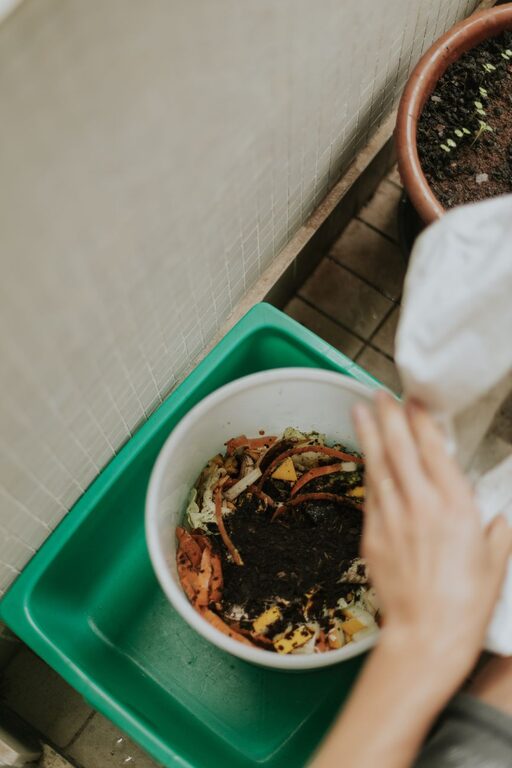
Composting at home is a fantastic way to reduce waste, enrich your garden soil, and contribute to a healthier environment. If you’re new to composting, it may seem a bit overwhelming at first, but with a few simple tips, you’ll be on your way to producing rich, dark compost that benefits your plants and the planet. This guide will walk you through the basics of home composting and offer practical advice for beginners.
What Is Composting?
Composting is the natural process of recycling organic matter, such as food scraps and yard waste, into a valuable soil amendment known as compost. This nutrient-rich material improves soil quality and helps plants grow by providing essential nutrients and improving soil structure.
Why Compost at Home?
– Reduces landfill waste: Food scraps and yard waste make up a significant portion of household trash. Composting keeps this material out of landfills.
– Improves garden health: Compost adds nutrients and beneficial microbes to your soil.
– Saves money: Reduces the need to buy chemical fertilizers.
– Supports sustainability: Composting reduces your carbon footprint and promotes eco-friendly living.
Getting Started: Choosing Your Composting Method
There are several ways to compost at home. Your choice might depend on the space you have, the amount of waste you produce, and your preferences.
1. Traditional Compost Pile or Bin
– Ideal for homeowners with outdoor space.
– Requires a bin or a designated area in your yard.
– Can process large quantities of yard and kitchen waste.
2. Tumbler Compost Bin
– Enclosed container that you can rotate to mix compost easily.
– Speeds up decomposition with good airflow.
– Space-efficient and neat.
3. Worm Composting (Vermicomposting)
– Uses worms (usually red wigglers) to break down food scraps.
– Suitable for indoor composting, including apartments.
– Produces high-quality compost called worm castings.
What to Compost: Brown and Green Materials
Successful composting relies on balancing two types of materials:
– Greens: Nitrogen-rich materials like fruit and vegetable scraps, coffee grounds, tea bags, fresh grass clippings.
– Browns: Carbon-rich materials such as dry leaves, straw, paper, cardboard, and small branches.
Tips for Balancing Compost
– Aim for roughly 2 to 3 parts browns to 1 part greens.
– Too many greens can create a smelly, wet pile.
– Too many browns slow down the decomposition process.
Composting Do’s and Don’ts
Do:
– Chop or shred larger materials to speed up decomposition.
– Turn your compost regularly to provide oxygen.
– Keep the pile moist, similar to a damp sponge.
– Add a variety of materials to maintain balance.
Don’t:
– Add meat, dairy, oily foods, or pet waste as these attract pests and create odors.
– Compost diseased plants or weeds that have gone to seed.
– Let the pile get too dry or too wet.
Maintaining Your Compost
Turning the Pile
Mixing your compost every 1-2 weeks introduces oxygen, which is essential for good microbial activity and faster breakdown.
Moisture Control
Check moisture regularly. If it’s too dry, add water or green materials. If too wet, add dry browns and turn more often.
Temperature Monitoring
A hot compost pile (between 130°F and 160°F) breaks down materials quickly and kills pathogens and seeds. Some bins have thermometers, but for beginners, turning and balancing materials is usually sufficient.
Harvesting Compost
Your compost is ready when it looks dark, crumbly, and smells earthy — usually in 2 to 6 months, depending on conditions.
Use finished compost by:
– Mixing into garden soil.
– Using as mulch around plants.
– Adding to potted plants for extra nutrition.
Troubleshooting Common Problems
| Problem | Cause | Solution |
|—————|—————————-|———————————-|
| Smelly compost| Too wet or too many greens | Add browns, turn pile, aerate |
| Compost too dry| Not enough moisture | Water the pile, add greens |
| Slow decomposition | Lack of oxygen or balance| Turn pile, add greens or browns |
| Pests | Meat or dairy added | Remove offending items |
Final Tips for Beginner Composters
– Start small and be patient. Composting is a learning process.
– Use a kitchen compost bin to collect scraps and empty it regularly.
– Educate your household so everyone knows what to compost.
– Consider local resources—some communities offer compost bin discounts or workshops.
Composting at home is a simple habit that makes a big difference. By recycling your organic waste, you’ll nurture your garden and reduce your environmental footprint, all while enjoying the satisfaction of turning scraps into soil. Happy composting!