
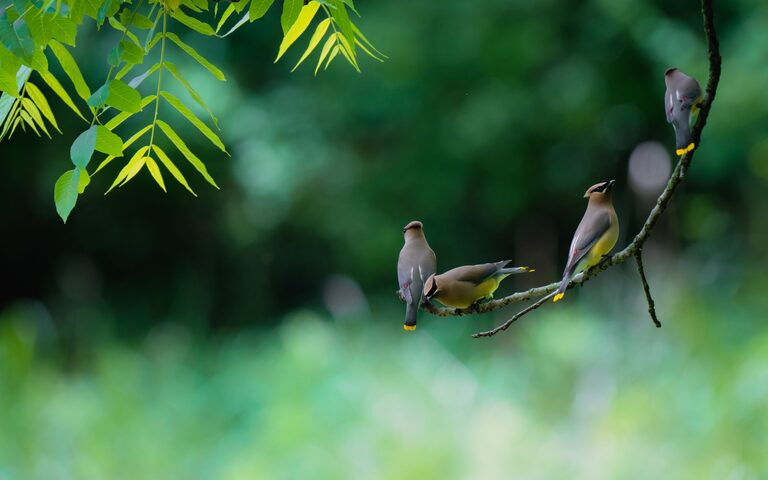
Birdwatching is a wonderful hobby that connects us with nature right in our own backyards. Whether you live in a city or a rural area, birdwatching can bring a sense of peace, excitement, and discovery. If you’re new to this activity, don’t worry—getting started is simpler than you might think. This guide shares beginner-friendly tips to help you enjoy backyard birdwatching through easy observation and simple preparation.
Why Backyard Birdwatching?
Birdwatching in your backyard doesn’t require expensive gear or travel. It offers many benefits, including:
– Relaxation: Watching birds can be a calming way to unwind.
– Learning: Discover new bird species and behaviors.
– Connection with nature: Enhance your appreciation for local wildlife.
– Family fun: Birdwatching is a great activity for all ages.
Getting Started: Basic Supplies
1. Binoculars
A good pair of binoculars makes birdwatching easier by bringing distant birds closer. You don’t need professional-grade optics; beginner-friendly binoculars with 8x or 10x magnification are perfect for backyard use.
2. Field Guide or App
A bird field guide or a smartphone app helps identify birds by sight and sound. Choose one focused on local bird species for quick reference.
3. Notebook or Bird Journal
Keeping notes about birds you see helps track your observations and notice patterns over time. You can jot down species, numbers, behaviors, and dates.
Attracting Birds to Your Backyard
To enjoy birdwatching, inviting birds to visit your space is key. Here are simple ways to make your yard bird-friendly.
1. Provide Food
Bird feeders attract a variety of species. Consider these tips:
– Use different seed types like black oil sunflower, nyjer, and millet to attract different birds.
– Clean feeders regularly to keep birds healthy.
– Place feeders in quiet, sheltered areas away from predators.
2. Offer Water
Birds need fresh water for drinking and bathing. A birdbath with clean water, changed often, will invite feathered visitors.
3. Create Shelter
Birds look for safe places to rest and nest. Plant native shrubs, trees, or install nesting boxes to provide shelter and nesting sites.
Watching and Identifying Birds
1. Observe Quietly
Birds are easily startled by noise or sudden movement. Find a comfortable, quiet spot and stay still while watching.
2. Use Your Senses
Look for color patterns, shapes, sizes, and behaviors. Listen for bird songs and calls, which are often distinctive.
3. Take Notes and Photos
Recording your sightings and photos helps with later identification and increases the enjoyment of birdwatching.
Common Backyard Birds to Expect
While species vary by region, some familiar birds often appear in backyards:
– Northern Cardinal
– American Robin
– Blue Jay
– House Finch
– Mourning Dove
– Black-capped Chickadee
Learning their features and habits makes identification easier.
Tips for Success and Enjoyment
– Be patient: Birds may take time to discover your feeders or water sources.
– Watch regularly: Early mornings are often best for bird activity.
– Avoid using pesticides: These can harm birds and reduce insect food sources.
– Respect wildlife: Observe without disturbing birds, especially nesting birds.
Joining the Birdwatching Community
Many birdwatching clubs and online groups welcome beginners. Sharing experiences and learning from others can make birdwatching even more rewarding.
—
Backyard birdwatching can turn everyday moments into peaceful, fascinating experiences. With simple supplies, a little patience, and curiosity, you’ll soon enjoy the beautiful sights and sounds birds bring to your home. Happy birdwatching!