Paper clutter is a common challenge in many households. From bills and receipts to school papers and magazines, paper can quickly accumulate and create a messy environment. Reducing household paper clutter not only improves your home’s appearance but also helps you stay organized and reduces stress. In this post, we’ll explore simple ways to effectively manage and reduce paper clutter at home.
Why Reducing Paper Clutter Matters
Paper clutter can overwhelm spaces like kitchen counters, desks, and drawers. It often leads to lost documents or missed deadlines, causing unnecessary hassle. By controlling paper clutter, you save time, keep important information accessible, and create a clutter-free environment that feels peaceful and inviting.
Start with a Clear Paper Sorting System
Organizing paper clutter begins with sorting. Set aside a regular time, like once a week, to go through incoming paper. Sort into three main categories:
– Keep: Important documents you need to keep, such as warranties, tax documents, or essential records.
– Action: Papers that require immediate attention, such as bills to pay or forms to complete.
– Recycle/Shred: Junk mail, outdated magazines, and sensitive documents you no longer need.
Using labeled folders, trays, or bins for these categories helps keep papers organized and makes it easier to handle them promptly.
Go Digital Whenever Possible
One of the most effective ways to reduce paper clutter is to switch to digital versions. Here’s how:
– Opt for electronic bills and statements: Most companies offer paperless billing options through email or apps.
– Scan important documents: Use a scanner or your smartphone to digitize warranties, receipts, and personal records.
– Use apps to organize digital files: Apps like Evernote or Google Drive let you store and organize scanned documents securely.
Going digital reduces the volume of paper physically in your home and makes it easier to search and retrieve documents.
Create a Filing System
For papers you still need to keep in physical form, a well-organized filing system is essential.
– Use clearly labeled folders based on categories like finances, medical records, and school documents.
– Choose a filing cabinet or portable file boxes to store your folders neatly.
– Purge regularly: At least once a year, review your filing system to discard papers that are no longer relevant.
Keeping a consistent filing routine helps papers stay organized and prevents clutter buildup.
Handle Incoming Paper Immediately
A simple habit to reduce clutter is handling paper as soon as it enters your home.
– Sort mail at the door before heading inside.
– Deal with bills and forms immediately, paying bills or filling out forms on the spot.
– Recycle junk mail right away to prevent it from piling up.
This immediate attention prevents paper from accumulating in piles and reduces the overwhelming feeling of clutter.
Limit What You Bring Home
Reducing paper clutter also means cutting down on how much paper enters your household.
– Unsubscribe from unnecessary mailing lists and catalogs.
– Request digital receipts at stores instead of printed ones.
– Avoid printing emails or documents unless necessary.
Being intentional about the paper you accept helps you maintain a cleaner space.
Designate a Paper Zone
Create a specific spot in your home to manage papers. This could be a desk, a small table, or a counter area where new papers are placed before sorting.
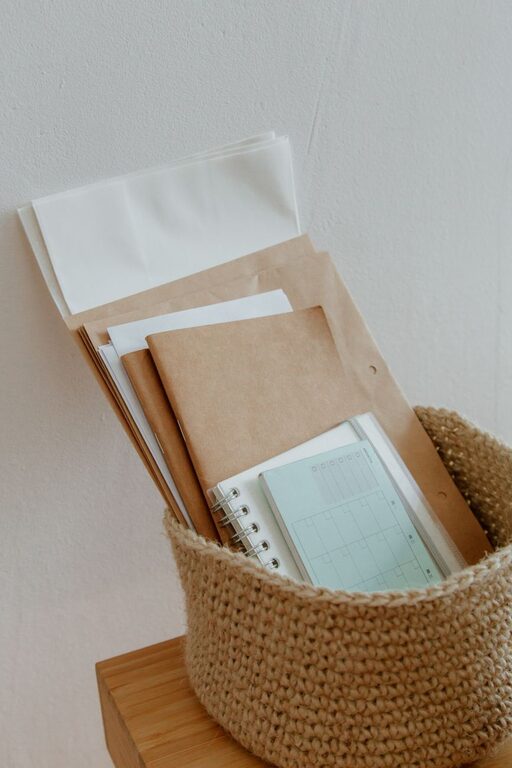
– Use trays or baskets to separate documents.
– Keep a shredder nearby to dispose of sensitive papers safely.
– Make this spot your regular paper processing area to maintain order.
Having a dedicated paper zone keeps clutter confined to one area and makes handling paper more manageable.
Use Recycling and Shredding Tools
Proper disposal of paper clutter is important. Set up recycling bins easily accessible for junk mail and other recyclable papers.
– Keep a shredder for sensitive documents like bank statements and personal information.
– Regularly empty recycling bins to prevent overflow.
This helps you stay rid of unwanted paper safely and responsibly.
Encourage Everyone in the Household to Participate
Paper clutter isn’t just your issue — it involves everyone who lives in your home.
– Teach family members to sort mail and paperwork properly.
– Share the filing system’s location and rules.
– Hold regular family decluttering sessions to review and discard unnecessary papers.
A team approach ensures paper clutter is controlled consistently.
Bonus Tips for Paper Clutter Reduction
– Use notebooks or digital apps for lists and notes instead of sticky notes or scratch paper.
– Limit magazine subscriptions and donate old issues regularly.
– Label cables, electronics, or other items digitally instead of printing tags or labels.
Conclusion
Reducing household paper clutter is achievable with simple habits and a thoughtful system. By sorting papers promptly, going digital, creating a filing system, and involving everyone in your home, you can enjoy a more organized and peaceful living space. Start with small steps today, and you’ll soon notice the benefits of a clutter-free environment.